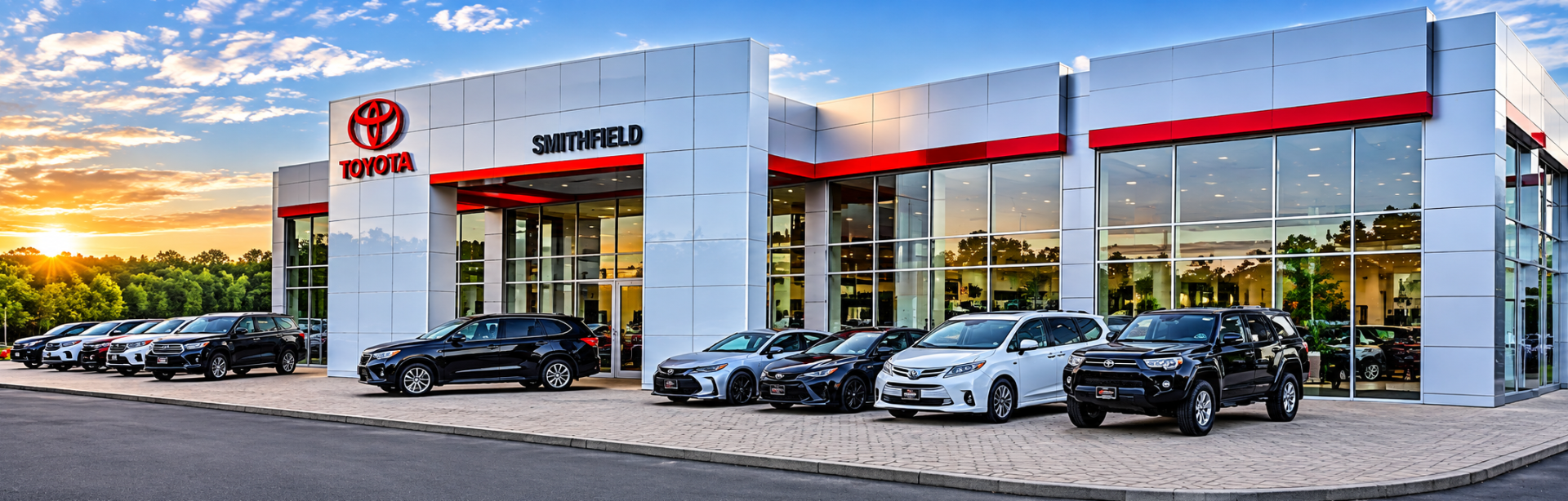



Author: Toyota of Smithfield Finding the right vehicle is a major decision, but it shouldn't feel overwhelming. For drivers commuting from Smithfield, RI, into Providence or navigating snowy hills around Woonsocket, Lincoln, and Johnston, it comes down to everyday practicality. You need a dependable ride that fits your budget and handles everything from daily drives on Route 44 to weekend errands near Bryant University. At Toyota of Smithfield, we know that whether you work locally at Fidelity or manage busy school drop-offs, your car must effortlessly fit your routine. We are here to help you weigh those practical ownership factors so you can find a reliable match for our unpredictable New England seasons. Key Takeaways (TL; DR) Keep these tips in mind while searching for your next Toyota around Smithfield, Lincoln, and Providence. Set a Clear Budget Early On: Determine what you can comfortably spend before heading out to shop, factoring in potential loan or lease payments. Knowing your financial limits helps narrow down which vehicles make the most sense for your household. Match the Toyota to Your Lifestyle: Think about where you drive most often, whether it is commuting down Route 44 or running errands in Johnston. Evaluating your daily habits ensures the vehicle actually fits your life. Take a Real-World Test Drive: Take the vehicle on roads you actually use, like the busy streets of Woonsocket or hilly neighborhood lanes, to gauge visibility and comfort. A quick spin around the block might not reveal how the car handles during a typical daily commute. Verify Year-Specific Ratings: Owner experiences and overall reliability scores vary depending on the exact model, year, and maintenance history. It is highly recommended to check trusted resources like Kelley Blue Book (KBB), Edmunds, or Consumer Reports for the specific vehicle you are considering. Weigh New Against Certified Pre-Owned: Both brand-new and CPO Toyota vehicles have their own advantages depending on your initial budget and long-term ownership goals. Buying certified often reduces upfront depreciation while still offering peace of mind for buyers. Evaluate Total Cost of Ownership: Remember to look beyond the sticker price by factoring in insurance, local taxes, and typical upkeep costs. A vehicle that seems slightly more expensive upfront might actually save you money down the road. Keep an Open Mind on Availability: If your exact preferred color or style is not on the lot today, remain flexible or ask about incoming inventory. Dealerships receive new deliveries frequently, so timing your purchase can open up more choices. What Should You Consider Before Buying a Toyota? Before stepping foot on a dealership lot, mapping out your daily routine and financial boundaries can drastically simplify the car-buying process. For drivers commuting from Smithfield to Providence or balancing family errands near Bryant University, finding the right Toyota means evaluating how a vehicle naturally fits into your New England lifestyle. What this means for local buyers is that a smart decision starts with looking well past the initial sticker price to uncover the true cost of ownership. To build a practical and comfortable budget, you will want to break down the total financial picture. Initial Down Payment: Decide on an upfront amount that lowers your monthly burden without depleting your emergency savings. Monthly Allowances: Set a target auto payment that meshes comfortably with your broader household finances, ensuring your vehicle payment doesn't squeeze other regular living costs. Insurance Premiums: Auto coverage rates fluctuate widely based on your location and chosen vehicle. Because safety scores and long-term ownership experiences vary by model, year, and maintenance history, it is wise to check resources like Kelley Blue Book or Edmunds to see how specific options might impact your monthly bills. Daily Commute Costs: The average resident here spends about 25 minutes commuting each way. Whether you take Route 44 or I-295, those miles add up, making it important to project your long-term fueling and basic maintenance expenses. Once your financial framework is solidly in place, you can move on to practical questions about functionality and daily use. Who Usually Rides With Me? Are you mostly driving solo to an office in Lincoln or Johnston, or do you regularly carpool neighborhood kids to school? Pinpointing your typical passenger needs helps determine whether a commuter car or a larger family vehicle makes more sense. What Do I Usually Carry? Consider the items you lug around weekly. From loading up weekend groceries at The Crossing at Smithfield or Apple Valley Mall to hauling bulky sports gear and strollers, choosing a layout that accommodates your routine can make life significantly easier. Where Will I Drive Most? Your most frequent routes dictate a lot of your needs. Navigating stop-and-go traffic near Fidelity Investments demands a different driving dynamic than tackling snowy, hilly back roads in Woonsocket during a classic New England winter. To see how different vehicle designs align with these local environments, you can explore the official Toyota website and find a match for your lifestyle. Which Toyota Model is Right for You? Finding the ideal Toyota usually comes down to matching a vehicle with your specific schedule around Smithfield, Lincoln, and Johnston. The short answer is that the right choice easily accommodates your everyday routines, whether you value an easy-to-park footprint or need maximum interior room for passengers. For example, drivers handling the weekday commute into Providence or traveling up Route 7 toward Woonsocket often lean toward a maneuverable sedan like the Camry. Alternatively, those needing room for larger groups might look to a spacious SUV like the Highlander or the Sienna minivan when coordinating carpools to Bryant University or managing shopping trips at The Crossing at Smithfield. Choosing a body style that genuinely fits your lifestyle matters because it makes loading passengers, running local errands, and navigating crowded parking lots noticeably smoother. Which Toyota SUVs and Crossovers Should You Consider for 2026? Toyota SUVs and crossovers offer a broad range of options, whether you're navigating the daily commute along Route 44 or packing up the family for a weekend getaway. Finding the right fit usually comes down to how much space you need for running errands around Apple Valley Mall and whether you regularly drive through snowy, hilly terrain. Keep in mind that overall satisfaction and long-term scores can vary by model, year, and a vehicle's maintenance history. Because of this, we always encourage shoppers to check Kelley Blue Book, Edmunds, or Consumer Reports when researching specific vehicles. 2026 Toyota RAV4: The RAV4 is often an excellent starting point for drivers who want a comfortable, well-rounded vehicle for commuting to Providence or simply running errands through Greenville village. 2026 Toyota Grand Highlander: If your household frequently manages carpools to Lincoln or Johnston, the Grand Highlander provides the extra passenger room and flexibility needed to make shared trips feel much easier. 2026 Toyota Corolla Cross: Shoppers looking for a smaller crossover that still feels practical for local traffic and tight parking situations might find the Corolla Cross to be a great match for their daily routines. 2026 Toyota 4Runner: When winter weather hits the winding, wooded roads near Woonsocket, the 4Runner appeals to buyers who want a more rugged, utility-focused ride to handle unpredictable conditions. 2026 Toyota Highlander Hybrid: Families spending a lot of time on I-295, perhaps heading to the Fidelity Investments offices or visiting Smithfield's local apple orchards, might appreciate the Highlander Hybrid for its smooth blend of interior space and commuting efficiency. What Are the Key Toyota Trucks for 2026? For the 2026 model year, the Toyota truck lineup includes the Tacoma, Tacoma i-FORCE MAX, Tundra, and Tundra i-FORCE MAX. Whether you need an open bed for hauling landscaping materials down Farnum Pike or require a durable daily driver for commutes into Providence, these pickups offer flexible solutions for various lifestyles. Because overall owner experiences and long-term scores can fluctuate depending on the specific model, production year, and a vehicle's previous maintenance history, shoppers are encouraged to research their preferred options through trusted resources like Kelley Blue Book, Edmunds, or Consumer Reports. 2026 Toyota Tacoma: Often favored by those who want a practical truck that remains relatively easy to maneuver, this model generally works well for weekend errands near The Crossing at Smithfield or exploring more rural routes. 2026 Toyota Tacoma i-FORCE MAX: Shoppers interested in an alternative driving feel without sacrificing typical mid-size utility may want to look closer at this variation, which is built to adapt smoothly to our shifting New England seasons. 2026 Toyota Tundra: This larger option tends to appeal to drivers managing more substantial workloads, making it a common sight on job sites in Lincoln or cruising along I-295. 2026 Toyota Tundra i-FORCE MAX: For buyers requiring a full-size footprint paired with a distinct approach to capability, this version can be a solid match for both demanding tasks in Johnston and relaxed family weekend outings. Is a Toyota Electrified Vehicle Right for You? Toyota's extensive lineup of hybrid, plug-in hybrid, and fully electric models offers something for almost every routine in northern Rhode Island. Whether you regularly commute from Smithfield down into Providence or stay local near the scenic villages of Greenville and Georgiaville, choosing an electrified option gives you versatile ways to handle everyday driving. Because ownership experiences, comfort, and long-term satisfaction often vary based on the specific model, production year, and a vehicle's unique maintenance history, we always encourage shoppers to check resources like Kelley Blue Book, Edmunds, or Consumer Reports for in-depth insights on the exact car you have your eye on. 2027 Toyota Prius & 2027 Toyota Prius Plug-In Hybrid: These recognizable models are excellent choices if you spend a lot of time navigating daily traffic on Interstate 295 or heading up Route 104 toward Woonsocket, providing a smooth, forward-looking ride tailored for commuters. 2026 Toyota RAV4 & 2026 Toyota RAV4 Plug-in Hybrid: Often favored by active drivers and small families, these practical SUVs are well-suited for running weekend errands around The Crossing at Smithfield or exploring regional trails over in Lincoln. 2026 Toyota Highlander Hybrid & 2026 Toyota Sienna: If your routine involves neighborhood carpools, hauling gear to Bryant University, or just getting a larger group around Johnston, these dependable options deliver a comfortable, family-focused approach to electrified driving. 2027 Toyota bZ & 2027 Toyota bZ Woodland: Shoppers wanting to explore a fully electric lifestyle might look toward these modern SUVs, which offer a quiet, innovative drive for navigating rural roads and regional highways without stopping for gas. Top Toyota Sedans and Compact Cars for 2027 Toyota's lineup of sedans and compact cars offers practical solutions for daily commuters, growing households, and drivers seeking a dependable vehicle for New England life. Whether you are running errands in Greenville village or commuting into Providence, these models are designed for everyday convenience. For instance, navigating the winding curves of Route 44 is often much easier in a nimble, lower-profile car than a larger vehicle. Keep in mind that overall owner satisfaction and longevity can vary based on the specific model, production year, and how strictly routine maintenance is followed. Because every driver's experience is unique, taking a moment to check resources like Kelley Blue Book, Edmunds, or Consumer Reports for insights on specific vehicles is always a smart move. 2027 Toyota Camry: This midsize family car is a natural fit for professionals making the daily drive down I-295 to Fidelity Investments or heading across the state. It generally provides a smooth, comfortable ride that handles long highway stretches and local cross-town routes with ease. 2027 Toyota Corolla and 2027 Toyota Corolla Hybrid: As a traditional compact car, the Corolla is frequently chosen by smaller households and Bryant University students. It fits effortlessly into tight parking spaces near Smithfield's ponds or local apple orchards, making it a highly practical choice for everyday errands. 2027 Toyota Corolla Hatchback: For those who prefer a little extra flexibility when loading up shopping bags from The Crossing at Smithfield, this variation brings added convenience while maintaining a highly maneuverable footprint. 2027 Toyota Prius and 2027 Toyota Prius Plug-In Hybrid: Shoppers prioritizing everyday efficiency for longer drives between Woonsocket and Lincoln typically gravitate toward the Prius. Its iconic design and focus on sustainability make it a popular option for eco-conscious drivers who want a proven commuter. 2027 Toyota Crown: Offering a slightly elevated driving position compared to traditional sedans, the Crown brings a unique presence to the road. It often appeals to drivers in Johnston who want a distinctive, refined ride for evening outings without stepping up to a larger vehicle. 2026 Toyota Mirai: Showcasing alternative fuel innovation, this hydrogen-powered sedan represents Toyota's forward-thinking approach for buyers interested in cutting-edge automotive technology, wherever local fueling infrastructure allows. Should You Buy a New or Certified Pre-Owned Toyota? Choosing between a fresh-off-the-line Toyota and a certified used option ultimately depends on whether you prioritize the pristine slate of a new purchase or the lower upfront cost of a certified vehicle. Understanding the contrast between a new model's 3-year/36,000-mile Basic Limited Warranty and a certified model's required 160-point Quality Assurance Inspection is crucial. What this means for Smithfield drivers is that your decision directly dictates your out-of-pocket maintenance costs when navigating everything from daily commutes along I-295 to weekend family trips out to local apple orchards. What Are the Advantages of Buying a New Toyota? The primary benefit of going new is starting completely fresh, allowing you to pick your ideal styling and take advantage of comprehensive factory coverage. Picking a brand-new vehicle makes sense if you prefer absolute control over your initial setup and the distinct peace of mind that comes with a zero-mileage odometer. Blank Slate History: You get a vehicle with no miles driven by someone else, meaning you avoid inheriting any mystery wear-and-tear or delayed maintenance habits from previous owners. Complete Customization: Buying new lets you specify the exact color and interior setup that fits your life, whether you commute down Douglas Pike every day or handle school runs across town. Current Factory Coverage: A new Toyota includes full factory backing, such as the standard ToyotaCare program, which covers normal factory-scheduled service and 24-hour roadside assistance for 2 years or 25,000 miles. Long-Term Ownership: If you plan to keep your vehicle for a decade or more, starting from day one ensures you can strictly follow the factory maintenance schedule right out of the gate. Pristine Condition: There are no past service records to analyze or minor cosmetic dings to overlook, giving you an entirely unblemished driving experience. Why Should You Consider a Certified Pre-Owned Toyota? A Certified Pre-Owned (CPO) model is an excellent middle ground, offering a reduced purchase price while still providing manufacturer-backed inspections and warranties. Long-term reliability and ownership experiences naturally vary depending on the model, year, and past upkeep, so it is always smart to check resources like Edmunds, Kelley Blue Book (KBB), or Consumer Reports when researching specific used vehicles. Lower Initial Cost: Opting for a CPO model typically reduces your upfront purchase price compared to buying new, freeing up room in your household budget. Strict Qualification Standards: Not every used vehicle makes the cut. A Toyota must pass a rigorous 160-point Quality Assurance Inspection to earn its official certification. Extended Reassurance: These models usually include manufacturer-backed perks like a 12-month/12,000-mile Limited Comprehensive Warranty, bringing extra confidence to your drive down Farnum Pike. Upgraded Tier Options: Saving money on the base price often helps shoppers stretch their dollars further, sometimes allowing them to afford a more premium cabin or better AWD system than they could on the new lot. Transparent Backgrounds: Each certified Toyota includes a detailed vehicle history report, giving you a clear, documented picture of its past life before you sign any paperwork. Coverage and inspection points are based on current OEM programs and can vary with model year, mileage, and program changes. How Can You Find the Best Toyota Deals? Pinpointing a strong value on your next vehicle usually involves a mix of smart timing, regional awareness, and comparing options side-by-side. For drivers commuting from Smithfield, Lincoln, and Johnston, the process starts well before you take a test drive. Keep in mind that ownership costs, reliability scores, and overall driving experiences naturally vary by model, year, and a vehicle's past maintenance history. Because of this, it typically helps to consult independent resources like Consumer Reports or Edmunds when researching specific cars to ensure they fit your lifestyle. Target Strategic Shopping Windows: Dealerships often work toward sales quotas at the close of a month, fiscal quarter, or calendar year. Timing your visit to coincide with these milestones can sometimes open the door to more flexible negotiations. Evaluate Regional Inventory: Take a few minutes to scan online showroom lots from Woonsocket down to Providence. If you notice a high volume of a particular model-such as the Toyota Highlander-dealers may be more willing to offer aggressive terms to move that stock. Check Fair Market Values: Before heading down Route 44 to talk numbers, use a tool like Kelley Blue Book to see what others in Rhode Island are actually paying. Having this baseline gives you confidence during the pricing discussion and protects you from overpaying. Search for Manufacturer Incentives: You will want to explore the official Toyota website to uncover current national or regional offers, such as subsidized APR rates or specific lease cash, which can then be applied directly at your local dealership. Read Recent Buyer Experiences: Customer reviews provide a window into how nearby showrooms handle the financing and negotiation process. Shoppers near The Crossing at Smithfield often leave detailed feedback highlighting which locations offer a transparent, low-pressure environment. How Should You Prepare for Toyota Financing? Before you drive your next vehicle down Putnam Pike, taking a few proactive steps can streamline the entire auto loan process. What this means for Smithfield drivers is less time sitting in a finance office and more confidence in your monthly budget-especially if you're balancing household expenses or a daily commute to regional employers like Fidelity Investments. Review Your Credit Standing: Pulling your credit report beforehand lets you spot any errors that might impact your interest tier. While loan requirements vary, credit scores above 660 typically help unlock more favorable terms. You can request a free annual report from major bureaus like Equifax or Experian to see exactly where you stand. Explore Pre-Approval Options: Securing a pre-approval from a local credit union or bank gives you a clear spending cap. If you're browsing inventory near The Crossing at Smithfield, having this letter in hand establishes a firm baseline before you even look at a window sticker. Calculate Your Down Payment: Putting money down reduces your overall loan-to-value ratio. A standard benchmark is 20%, but any substantial contribution helps. For example, placing $6,000 down on a $30,000 vehicle significantly shrinks the amount you finance, directly lowering both your monthly obligation and total interest paid over time. Organize Required Paperwork: To finalize a transaction without delays, bring a valid driver's license, recent proof of income (usually your last 30 days of pay stubs), and proof of residence. A current Rhode Island Energy utility bill or active lease agreement works perfectly to verify your address. Compare Financing Terms: Don't assume your bank's initial pre-approval is the absolute ceiling. Dealership finance teams evaluate multiple lending partners at once and might find promotional Toyota Financial Services options that local banks cannot offer. Comparing offers side-by-side ensures you secure the most cost-effective route. Factor in Complete Ownership Costs: Remember that a manageable car budget extends beyond the loan payment itself. Leave comfortable room in your monthly calculations for auto insurance, annual registration fees, and eventual maintenance items like tires and brake pads. What Should You Look for During a Toyota Test Drive? With the average local commute taking about 24 to 25 minutes, a test drive is your best opportunity to see how a Toyota fits into your specific daily rhythm. When getting behind the wheel, you should focus on how naturally the vehicle handles your usual routes, whether the seating provides genuine comfort, and if the overall layout simplifies your routine. Rather than just taking a quick spin around the block, recreate your actual lifestyle to ensure the car feels right for the long haul. Test Your Frequent Routes: Take the vehicle on the roads you travel most often to gauge its everyday ride quality. See how smoothly it merges onto I-295 for a Providence commute, handles the rolling hills on Farnum Pike (Route 104), or manages the stop-and-go pace along Putnam Pike (Route 44). Evaluate Cabin Comfort: Adjust the driver's seat and steering column to find a relaxed, supportive posture. Pay attention to how easily you can get in and out of the vehicle-a small detail that becomes highly noticeable if you are constantly running errands at Apple Valley Mall or stepping out near the Fidelity Investments campus. Assess Outward Visibility: Check your sightlines over the hood, through the side windows, and out the rear glass. Unobstructed visibility is crucial for safely backing out of busy spots at The Crossing at Smithfield or watching for foot traffic through the historic village centers of Greenville and Stillwater. Gauge Parking and Maneuverability: Notice how the steering responds in tight spaces and corners. You want a vehicle that feels agile and effortless to park, whether you are navigating the lots at Bryant University or winding through narrower roads in neighboring Lincoln and Johnston. Simulate Your Family's Routine: Consider who will be riding with you on a daily basis. If you frequently drive to Woonsocket for family events or pack up for weekend outings, take a moment to sit in the back rows and check the rear accessibility to make sure the layout supports your real-world needs. Why Toyota Maintenance Matters in Smithfield Keeping your Toyota running smoothly means staying ahead of Rhode Island's distinct four-season climate. Whether your routine involves commuting into Providence or taking weekend drives through the wooded, hilly routes around Lincoln and Johnston, consistent upkeep simply makes ownership less stressful and more predictable. Combat Seasonal Debris: From heavy spring pollen blowing through Smithfield's apple orchards to harsh winter road salt building up after a trip down Route 44, local elements can wear on your exterior and clog air systems. Regular washes and routine cabin filter checks help keep your interior air fresh while protecting your paint's clear coat. Monitor Tire Health: Drastic temperature drops across New England cause tire pressure to fluctuate rapidly overnight. Routinely checking your PSI and keeping up with seasonal rotations ensures even tread wear, giving you the predictable grip you need when navigating icy patches on winding roads like Farnum Pike. Stick to the Factory Timeline: Missing basic maintenance can sometimes compound into larger issues down the road. By syncing your garage visits with the official service intervals detailed directly through Toyota, you take the guesswork out of maintaining long-term vehicle reliability. Adapt to Your Commute: If your daily drive features heavy stop-and-go traffic on I-295 heading toward Woonsocket, your brakes and fluids are working much harder than they would on quiet village streets. Adjusting your inspection habits to match your specific driving environment helps catch minor wear before it impacts your daily routine. Frequently Asked Questions (FAQs) How does Toyota of Smithfield ensure a comfortable, transparent sales experience? Toyota of Smithfield's team provides a straightforward visit with our no-haggle pricing, so you can focus on finding the right Toyota for your commute along I-295. Our Toyota Certified Master Sales Managers will walk you through the options at your own pace. How does Toyota of Smithfield accommodate first-time buyers? Toyota of Smithfield's staff supports new shoppers with same-day financing approval to make the paperwork process seamless. While reliability ratings vary by model, year, and maintenance history, our team can help you review trusted resources like Consumer Reports to find the perfect vehicle for your drives to Bryant University. How does Toyota of Smithfield address customer feedback and ensure a high-quality staff experience? As a President's Award-winning dealership, Toyota of Smithfield's team is dedicated to customer satisfaction and clear communication from start to finish. Our ASE Certified Technicians and sales staff work directly with you to answer questions and keep your vehicle prepared for snowy New England winters. What types of shoppers feel most comfortable at Toyota of Smithfield? Toyota of Smithfield's family-owned, employee-owned, women-owned, and minority-owned environment welcomes everyone from local families seeking spacious SUVs to professionals commuting to Fidelity Investments. We also maintain a pet-friendly, eco-conscious atmosphere so that every visitor feels right at home. How does Toyota of Smithfield support the local community? Toyota of Smithfield's team actively gives back through annual donations to the Rhode Island Community Food Bank. We are also honored to provide free backpacks and school supplies to local high school students. What financing and trade-in tools does Toyota of Smithfield offer? Toyota of Smithfield's financial experts provide same-day financing approval to simplify your purchase before you head out on Route 44. Our staff also uses our digital trade-in calculators to walk you through a clear, transparent appraisal of your current vehicle. About Toyota of Smithfield At Toyota of Smithfield, founded in 2019, we pride ourselves on being a family-owned, employee-owned, women-owned, and minority-owned dealership dedicated to providing an exceptional car buying experience. Our commitment to transparency and customer satisfaction is evident through our no-haggle pricing, same-day financing approval, and personalized services like exclusive owner events and digital trade-in calculators. As a President's Award-winning team, our Toyota Certified Master Sales Managers and ASE Certified Technicians ensure that your journey with us is seamless from start to finish, whether you're purchasing your first vehicle or servicing your trusted ride. We are honored to support our community through annual donations to the Rhode Island Community Food Bank and providing free backpacks and school supplies to local high school students. Visit us for a pet-friendly, eco-conscious atmosphere where every customer is treated like family, and your automotive needs are our priority. Related Articles: Locating the Top Toyota Dealer in Smithfield, RI

Toyota Lease and Finance Solutions in Smithfield, RI
Author: Toyota of Smithfield Deciding how to pay for your new Toyota is just as important as choosing between a fuel-efficient Prius for I-295 commutes to Providence or an AWD Highlander for snowy winters in Lincoln and Johnston. The choice between financing and leasing simply depends on your daily driving habits around Woonsocket and whether you prefer long-term ownership or flexible terms. As the team at Toyota of Smithfield, we have maintained a long-standing presence in the community, emphasizing local knowledge and trusted experience in servicing and maintaining Toyota vehicles. We pride ourselves on being a reliable, long-term automotive partner for drivers in Smithfield, RI, and nearby areas, ensuring your vehicle stays dependable well beyond the finance desk. Key Takeaways (TL; DR) Getting the right auto loan or lease comes down to understanding your credit, knowing your options, and taking advantage of manufacturer programs. For drivers here in Smithfield, securing a solid plan means a more manageable monthly payment-whether you're commuting down Route 44 or running errands over by The Crossing at Smithfield. Your Credit History Matters: A stronger credit score directly influences your interest rate and loan length. Whether you finance a RAV4 Hybrid for a daily commute along I-295 or lease a compact Corolla, good credit translates to spending less on interest over the life of the vehicle. Toyota Financial Services (TFS): Using Toyota's dedicated lender often unlocks exclusive manufacturer rates and promotional terms. Getting pre-approved through TFS before you even leave the house simplifies the process and gives you a clear shopping budget. Buying Versus Leasing: Financing means you build equity until you own the car outright, which is ideal if you drive high mileage. On the flip side, a standard 36-month lease acts more like a long-term rental, generally resulting in lower monthly payments while keeping you fully covered under the factory 3-year/36,000-mile basic limited warranty. End-of-Lease Choices: When your term wraps up, you aren't locked into a single path. You can buy the vehicle at its set residual value, hand the keys back, or upgrade to a newer model-which is perfect if your family suddenly needs a spacious Grand Highlander for weekend events at Bryant University. Special Rebate Programs: Taking advantage of unique incentives can significantly lower your bottom line. Toyota typically offers targeted savings, such as Military rebates or College Graduate programs, to help offset initial drive-off costs. Preparation is Essential: Before applying, gather your proof of income, check your credit report for errors, and establish a firm monthly budget. A little upfront legwork prevents surprises and drastically speeds up the paperwork on signing day. How Auto Financing Works for Your Next Toyota For most drivers around Smithfield, taking out an auto loan is the standard path to owning a new vehicle outright. When you finance, you borrow the car's purchase price from a lender-such as Toyota Financial Services (TFS) or a local Rhode Island credit union-and repay that principal plus interest over a set timeframe. This period is known as your loan term, which typically stretches anywhere from 36 to 72 months depending on what fits your monthly budget. If you rack up significant miles commuting down I-295 or Putnam Pike, financing is a smart strategy because every payment brings you closer to owning the vehicle free and clear. As you pay down that loan, you continuously build equity, which is the actual cash value of the vehicle that belongs to you rather than the bank. Once you make the final payment, the lender releases the title directly into your name. For busy families running to Bryant University events or loading up a spacious Toyota Highlander for trips to Greenville's apple orchards, full ownership matters. It means you are completely free from the annual mileage limits required by lease agreements, and you can add any permanent roof racks or cargo accessories you need to fit your lifestyle. How Does Toyota Financial Services (TFS) Work? As the official lending arm of the brand, Toyota Financial Services (TFS) is designed to simplify how you pay for your next vehicle. Whether you are aiming for a 2026 RAV4 Hybrid to tackle snowy winter commutes along Route 44 or need a 2027 Camry for the daily drive to Fidelity Investments, TFS integrates the financing process right at the dealership. You can even start the paperwork from your couch in Greenville by securing online pre-approval before you ever visit the lot. Once you submit your application, TFS evaluates factors like your income and credit history to build a customized lease or loan. Keep in mind that available offers naturally vary by credit tier, meaning a higher score typically unlocks prime Annual Percentage Rates (APRs). For drivers around Smithfield, this is crucial: locking in a highly competitive rate keeps your monthly payments predictable, leaving more room in your budget for weekend trips to local apple orchards or everyday household expenses. TFS also brings exclusive factory-backed incentives to the table that traditional banks usually cannot match. For instance, a recent grad from Bryant University might qualify for the Toyota College Graduate Program, which provides a direct rebate toward a new vehicle purchase or lease. Between these targeted bonuses and flexible term lengths-like opting for a 36-month lease versus a standard 60-month loan-TFS makes it significantly easier to structure a deal that fits your New England lifestyle. How Does Leasing a Toyota Work? Leasing a vehicle is essentially an agreement to pay for its use over a specific timeframe rather than buying the whole car outright. When you drive off in a new Toyota RAV4 or Camry, your monthly payments are largely determined by depreciation. You are only financing the difference between the vehicle's original sticker price and its estimated residual value-what it is expected to be worth when the contract ends. If you are regularly making the short commute down Route 44 from Greenville to downtown Providence, this structure means you are strictly covering the vehicle's lifespan for that exact period. Along with that depreciation cost, lease payments include a finance fee calculated using a "money factor," which acts much like a standard interest rate. Most lease terms span 24 to 36 months, giving you a predictable, medium-term timeline. Once that period concludes, you simply return the vehicle, assuming you stayed within the agreed-upon mileage limits and standard wear-and-tear conditions. For drivers around Smithfield looking for straightforward terms, this approach provides a clear, defined transportation cost without long-term ownership obligations. Navigating Your Toyota End-of-Lease Choices As you approach the final months of your Toyota lease, you generally have three straightforward paths: buying your current vehicle, trading up to a new model, or simply returning the keys. For drivers around Smithfield and neighboring Lincoln, this built-in flexibility matters because life changes fast-maybe you recently started commuting to Fidelity Investments and want to switch to a highly efficient Prius, or perhaps you just want to keep the RAV4 you already know inside and out. Knowing your contract's residual value and scheduling an independent inspection about 15 to 60 days before your turn-in date will help you make the smartest financial move. Purchase Your Current Toyota: If you love the Highlander that's been hauling your family to Bryant University events, you can buy it outright. You'll just pay the guaranteed residual price established at the beginning of your term, which completely eliminates any worry about excess mileage limits or wear-and-tear fees. Upgrade to a New Vehicle: Ready for the latest technology? You can return your current ride and start a fresh lease or finance contract on a new Toyota. This is a great route if you need to swap a standard sedan for a rugged, four-wheel-drive Tacoma i-FORCE MAX before the next snowy winter hits Route 44. Return and Walk Away: You are always free to turn the car in at the end of your agreement. Just be sure to arrange a complimentary pre-return inspection to identify any excess wear or mileage overages, giving you a window of time to handle minor fixes before officially handing over the vehicle. Financing vs. Leasing a Toyota: What Are the Core Differences? The primary difference is ownership: financing builds equity until you own the Toyota outright, while leasing covers only the depreciation over a set 24- to 36-month term. For Smithfield drivers, financing suits high-mileage commutes down Route 44, whereas leasing typically provides lower monthly payments for shorter everyday trips around Greenville. Feature Financing a Toyota Leasing a Toyota Ownership The title transfers to your name once the final loan payment is made. Vehicle ownership remains with the leasing company. Monthly Payments Usually higher, as calculations are based on paying off the full purchase price plus interest. Typically lower, because payments only cover the depreciation projected over the lease term. Upfront Costs Lenders often recommend a 10% to 20% down payment to reduce the loan principal. Generally requires the first month's payment, a potential security deposit, and standard acquisition fees. Customization Complete freedom to install aftermarket parts, like a hitch for hauling bikes around Stillwater. Must be returned in original factory condition; permanent modifications are not permitted. Mileage No mileage limits, accommodating unlimited daily commuting across I-295 and beyond. Subject to strict annual caps (usually 10,000 or 12,000 miles) with per-mile overage charges. Wear & Tear Cosmetic damage from gravel or weather only impacts the vehicle's eventual resale value. Subject to standard lease-end inspections; out-of-pocket fees apply for excess scratches, stains, or dents. End of Term You own the vehicle free and clear to keep, sell, or trade. Turn in the vehicle, purchase it for the predetermined residual value, or lease a new Toyota. What Actually Shapes Your Auto Loan or Lease Rates? When you apply for a lease or loan on a new Toyota, lenders determine your rates by evaluating your financial health-like your credit history and existing debt-alongside the specific vehicle and financing duration you select. What this means for Smithfield drivers is that understanding these variables lets you structure a deal that comfortably fits your budget, whether you commute daily down Putnam Pike or are managing expenses around Bryant University. Even minor adjustments to your application can yield vastly different monthly obligations. Your Credit Profile: Lenders review your FICO score to gauge financial reliability. Landing in a higher credit tier typically unlocks the most competitive Annual Percentage Rates (APRs), meaning less of your money goes toward interest charges over the life of the agreement. The Initial Down Payment: Handing over more money at signing directly shrinks the principal loan amount. To put it in perspective, putting an extra $1,000 down on a standard 60-month loan generally lowers your monthly payment by roughly $15 to $20. Financing Term Length: The timeline you choose forces a trade-off. Opting for a shorter 36-month lease or 48-month loan results in a higher monthly bill, but you will pay significantly less total interest compared to stretching a loan out to 72 months. Vehicle Selection and Incentives: The exact model you drive off the lot dictates which manufacturer promotions apply. For instance, if you select a fuel-efficient 2026 Toyota RAV4 Hybrid to tackle I-295 traffic, specific promotional lease specials or subsidized financing rates for that model year can dramatically improve your terms. Debt-to-Income (DTI) Ratio: Banks calculate what percentage of your gross monthly income is already committed to existing debts. Maintaining a lower DTI reassures financial institutions that taking on a new Toyota payment won't overextend your household budget. Are There Special Toyota Incentive Programs I Can Qualify For? Yes, Toyota offers a variety of specialized financing and lease programs designed to lower your overall out-of-pocket costs if you meet the criteria. Through Toyota Financial Services, eligible buyers can access exclusive rebates that make upgrading to a new model-like a 2026 RAV4 or a 2027 Camry-much more attainable. For Smithfield drivers managing household budgets, qualifying for one of these programs is a practical way to significantly reduce your down payment or monthly rate. For example, if you just finished your degree at Bryant University and secured a starting role at Fidelity Investments, that academic milestone alone could unlock a substantial rebate toward your first new car. Toyota College Graduate Program: Designed to help young professionals get a reliable start, this rebate is available to recent college grads and those about to graduate. To qualify through Toyota, you typically need to show proof of your recent degree and provide evidence of current or upcoming employment. Toyota Military Rebate: As a token of appreciation, eligible active-duty U.S. military personnel, inactive reservists, retirees, honorably discharged veterans (within a specific timeframe), and their household spouses can receive a special rebate. It is a straightforward benefit to help military families secure dependable transportation, whether that means a spacious SUV or a rugged 2026 Tacoma. Loyalty Benefits: If there is already a Toyota parked in your driveway, you might be eligible for exclusive loyalty savings when you decide to trade it in or sign a new lease. Returning customers often receive special terms on select new models as a reward for staying with the brand. Regional New England Promotions: Factory and dealer-specific incentives change throughout the year based on local inventory and seasonal demands. You might spot special lease rates on AWD hybrids right before winter weather hits Farnum Pike (Route 104), or limited-time financing offers perfectly timed for summer road trips. How to Apply for a Toyota Lease or Auto Loan Securing your financing or lease starts with a quick online estimate and ends with a final signature on your chosen contract terms. For drivers running daily errands down Putnam Pike or commuting past Apple Valley Mall, streamlining this process means less time waiting on paperwork and more time actually enjoying your new Toyota. For example, bringing your two most recent pay stubs and active auto insurance right to the showroom can easily shave hours off the total approval process. Get Pre-Qualified: Begin by checking estimated rates through an initial online form. This step typically relies on a soft credit pull, allowing you to view potential borrowing terms without negatively impacting your credit score. Gather Your Documents: Lenders require concrete proof of your financial standing. You will need a valid state-issued driver's license, verifiable proof of income, documentation of your local Smithfield residency, and current vehicle insurance. Submit the Official Application: Once you select a specific vehicle-like a gas-powered Camry sedan-the formal application moves forward. This step requires a hard credit inquiry to lock in your exact Annual Percentage Rate (APR) and lender approvals. Review and Sign: Take a moment to verify every detail on the final contract. You will confirm the exact term length (which often ranges from 36 to 72 months), your precise monthly payment, and any added vehicle protections before adding your final signature. Paying Cash vs. Financing Your Next Toyota Putting down the full amount for a 2026 RAV4 Plug-in Hybrid outright means you take immediate ownership without paying a single cent in interest. Avoiding a typical 5% to 7% annual percentage rate over a standard 60-month term saves thousands of dollars by the time the odometer hits six figures. For daily commuters driving along Putnam Pike (Route 44), there is real peace of mind in holding the title free and clear on day one. That said, sinking a massive chunk of savings into a vehicle means those funds are tied up and entirely unavailable if you suddenly need a major home repair in Smithfield. Conversely, securing an auto loan spreads the purchase price across a predictable 48- or 72-month window so your bank account stays liquid. If your family needs the spacious third-row seating of a 2026 Grand Highlander Gas model for weekend trips to Bryant University games or local apple orchards, financing bridges the gap between what you need and what you have on hand today. What this means for Smithfield drivers is the ability to maintain a healthy emergency fund for unpredictable New England winters, balancing a manageable monthly car payment with overall financial readiness. What Are the Pros and Cons of Each Payment Method? Choosing to lease or finance a Toyota depends on your driving habits. For Smithfield drivers, it means balancing short-term affordability with long-term value. Whether you run low-mileage errands near Apple Valley Mall or rack up heavy highway miles, here is how the options stack up. Pros of Financing a Toyota Complete Ownership: Once you make that final payment, the vehicle is 100% yours to keep, sell, or pass down to a family member. Unlimited Mileage: If your daily drive takes you up and down Putnam Pike or across state lines, financing means you never have to worry about tracking miles or paying overage fees. Total Customization: Want to add all-terrain tires to your Toyota Tacoma for muddy weekend trips? You have the absolute freedom to modify the truck however you see fit. Building Long-Term Equity: Because models like the Toyota RAV4 are known for holding their value, each monthly payment builds equity you can eventually use toward your next vehicle. Cons of Financing a Toyota Higher Monthly Commitment: Because you are paying off the entire purchase price of the vehicle, your monthly payments will typically be higher than if you leased the exact same model. Post-Warranty Repairs: Once the standard 3-year/36,000-mile Basic Limited Warranty expires, you become fully responsible for the cost of any unexpected mechanical repairs. Market Depreciation: Although Toyota vehicles generally retain strong resale value, normal market fluctuations mean your car will still slowly depreciate as it ages. Pros of Leasing a Toyota Lower Monthly Payments: You only pay for the vehicle's expected depreciation during your term, freeing up cash for everyday expenses or weekend shopping at The Crossing at Smithfield. Frequent Technology Upgrades: Leasing a new model every two to three years guarantees you get Toyota's latest safety advancements-crucial for navigating winding, icy rural roads during New England winters. Worry-Free Maintenance: Most standard 36-month lease terms line up perfectly with Toyota's new-vehicle warranties, ensuring major powertrain or electrical issues remain fully covered. Simple Return Process: At the end of your contract, you simply hand the keys back to the dealership. There is no need to haggle over trade-in values or sell the car yourself. Cons of Leasing a Toyota Strict Mileage Caps: Leases usually limit you to 10,000 or 12,000 miles annually. For example, if you unexpectedly take a new job requiring a longer daily commute to Fidelity Investments, typical per-mile penalty fees will add up quickly. No Equity Earned: Since you are essentially borrowing the vehicle for a few years, you do not build any ownership value to leverage later. Wear and Use Fees: You must return the vehicle in excellent condition. Excessive exterior scratches, large dents, or heavy interior stains could result in extra out-of-pocket charges at turn-in. Zero Customization: You are required to keep the vehicle in its factory condition, meaning permanent modifications or aftermarket performance parts are not allowed. How to Negotiate the Best Value on Your Next Vehicle Before you even set foot on a lot, lowering your total out-of-pocket cost comes down to preparation and timing. What this means for Smithfield drivers is that understanding your financing options before you shop can save you thousands over the life of a loan. For example, dropping your Annual Percentage Rate (APR) by just two points on a standard 60-month, $30,000 auto loan reduces your total interest cost by roughly $1,600. Whether you are buying a fuel-efficient Camry Hybrid for the daily commute down Douglas Pike (Route 7) or leasing a spacious Grand Highlander for family trips near Lincoln, separating the vehicle's price from your monthly payment is a crucial first step. Review your credit report early: Pull your credit history a few months in advance to dispute any errors. A higher score unlocks better financing rates, which directly lowers your monthly payment. Shop around for rates: Get pre-approved loan quotes from banks or credit unions near The Crossing at Smithfield, then compare those numbers against promotional financing offered directly through the manufacturer. Separate the price from the payment: Always settle on the total purchase price of the vehicle first before discussing lease terms or loan durations. Focusing strictly on a target monthly payment can easily mask a higher overall vehicle cost. Understand the contract terminology: If you are financing, look closely at the APR, term length, and total amount financed. For leases, pay attention to the capitalized cost (the vehicle's agreed-upon price), the money factor (the interest rate), and the residual value (what the car is estimated to be worth at the lease's end). Watch the calendar: Purchasing near the end of the month, the close of a financial quarter, or when the model year shifts (often late summer to early fall) frequently aligns with fresh factory incentives. Use authoritative pricing guides: Before trading in your current car, check baseline valuations on trusted platforms like Kelley Blue Book or Edmunds to ensure you receive a fair market offer. Account for long-term ownership perks: Every new Toyota includes a 3-year/36,000-mile basic limited warranty alongside ToyotaCare, which covers normal factory scheduled maintenance for 2 years or 25,000 miles. Factoring this standard coverage into your budget prevents you from overpaying for redundant third-party service plans. Frequently Asked Questions (FAQs) What should I expect during the financing process at Toyota of Smithfield? With our no-haggle pricing and same-day financing approval, Toyota of Smithfield ensures a streamlined experience for every buyer. Whether you commute down I-295 to Providence or work right here near Bryant University, our Toyota Certified Master Sales Managers work alongside you to secure an arrangement that fits your daily routine. How does Toyota of Smithfield ensure prompt communication during the financing process? Toyota of Smithfield prevents wait times by providing same-day financing approval, keeping you informed at every step. Our Toyota Certified Master Sales Managers actively manage your file so you can quickly get back to running errands along Route 44 or visiting The Crossing at Smithfield. How can I ensure I understand all paperwork before signing? The team at Toyota of Smithfield walks you through every line of your agreement, emphasizing transparency and our strict no-haggle pricing model. We make sure you are fully comfortable with the terms before you drive your new vehicle home to neighborhoods near Stillwater or Greenville. How does Toyota of Smithfield support customers who need assistance with their financing options? Toyota of Smithfield's finance staff proactively reviews your profile to build a custom solution, utilizing our same-day financing approval to navigate the process. Our Toyota Certified Master Sales Managers sit down with you to adjust terms, ensuring you drive off safely for those winter commutes through Johnston or Woonsocket. How does Toyota of Smithfield support the local community? Since being founded in 2019, Toyota of Smithfield regularly supports the area through annual donations to the Rhode Island Community Food Bank. Additionally, our family-owned and women-owned team provides free backpacks and school supplies to local high school students each year. What amenities and services are available when I visit Toyota of Smithfield? When you visit our President's Award-winning location, Toyota of Smithfield welcomes you into a pet-friendly and eco-conscious atmosphere. Our employee-owned and minority-owned dealership also provides convenient access to our digital trade-in calculators and hosts exclusive owner events. About Toyota of Smithfield At Toyota of Smithfield, founded in 2019, we pride ourselves on being a family-owned, employee-owned, women-owned, and minority-owned dealership dedicated to providing an exceptional car buying experience. Our commitment to transparency and customer satisfaction is evident through our no-haggle pricing, same-day financing approval, and personalized services like exclusive owner events and digital trade-in calculators. As a President's Award-winning team, our Toyota Certified Master Sales Managers and ASE Certified Technicians ensure that your journey with us is seamless from start to finish, whether you're purchasing your first vehicle or servicing your trusted ride. We are honored to support our community through annual donations to the Rhode Island Community Food Bank and providing free backpacks and school supplies to local high school students. Visit us for a pet-friendly, eco-conscious atmosphere where every customer is treated like family, and your automotive needs are our priority. Related Articles: Locating the Top Toyota Dealer in Smithfield, RI